
In the quest for a healthier lifestyle, the Mediterranean diet stands out as a gold standard. Inspired by the traditional eating habits of countries bordering the Mediterranean Sea, it's renowned not only for its flavors but for its documented health benefits—including a meaningful impact on brain health. Let's explore what makes it so advantageous and why you might want to adopt it.
What is the Mediterranean diet?
The Mediterranean diet emphasizes whole, natural foods and a balanced approach to eating. Its key components include:
- Fruits and vegetables: a variety of fresh, seasonal produce.
- Whole grains: foods like whole wheat, barley, and oats.
- Healthy fats: primarily from olive oil, nuts, and seeds.
- Lean proteins: fish and seafood preferred, with moderate poultry, eggs, and dairy.
- Legumes: beans, lentils, and chickpeas.
- Herbs and spices: for flavoring instead of salt.
- Red wine: in moderation, typically with meals.
The health benefits of the Mediterranean diet
- Heart health: The diet's emphasis on healthy fats from olive oil and nuts helps support healthy cholesterol levels, which is linked to a lower risk of heart disease.
- Weight management: Rich in fiber, the diet promotes satiety and helps control appetite, making it easier to maintain a healthy weight.
- Lower risk of chronic conditions: Research associates the Mediterranean diet with a reduced risk of type 2 diabetes and other chronic conditions, thanks to its anti-inflammatory, antioxidant-rich foods.
- Brain health and mental wellbeing: Its abundance of omega-3 fatty acids, vitamins, and minerals supports brain function and is associated with healthy cognitive aging.
- Longevity: The combination of cardiovascular support, lower chronic-disease risk, and overall nutritional balance contributes to a longer, healthier life.
- Sustainable, enjoyable eating: Unlike restrictive diets, this is not about deprivation—it encourages variety and a positive relationship with food, which makes it easier to sustain.
How to start eating the Mediterranean way
- Choose whole foods: opt for fresh, unprocessed foods whenever possible.
- Prioritize plant-based meals: build meals around vegetables, fruits, legumes, and whole grains.
- Use olive oil: replace butter and less healthy fats with extra virgin olive oil.
- Enjoy seafood: aim for fish and seafood at least twice a week.
- Snack on nuts and seeds: great sources of healthy fats and protein.
- Flavor with herbs and spices: enhance taste naturally without relying on salt.
- Eat mindfully: enjoy meals with family and friends, savoring each bite.
A delicious path to better wellbeing
The Mediterranean diet offers a holistic approach to eating that delights the palate while supporting long-term health. By incorporating its principles into daily life, you give your body and mind a sustainable foundation to thrive on.
Diet and daily brain support: a combined approach
A Mediterranean way of eating gives your brain a steady supply of omega-3s, antioxidants, and key nutrients. But everyday life doesn't always allow for perfect meals. That's the thinking behind taenka Morning, a caffeine-free daily brain supplement developed by neuroscientist Dr. Nouchine Hadjikhani (Harvard/MGH). It brings together 14 active ingredients—including omega-3, choline, L-theanine, and PQQ—each backed by published research, to support memory, focus, and mental clarity as part of a daily routine.
Pair Mediterranean eating habits with consistent daily nutritional support, and you give your brain two evidence-based tools instead of one.
This article is for general information and is not medical advice. A balanced diet and dietary supplements support general wellbeing and are not intended to diagnose, treat, cure, or prevent any disease. Consult a healthcare professional before making significant changes to your diet.
Scientific references
- Gauci, S., et al. (2025). The role of the Mediterranean diet in reducing the risk of cognitive impairment, dementia, and Alzheimer's disease: a meta-analysis. GeroScience. doi:10.1007/s11357-024-01488-3
- Shannon, O. M., et al. (2023). Mediterranean diet adherence is associated with lower dementia risk, independent of genetic predisposition: findings from the UK Biobank prospective cohort study. BMC Medicine, 21, 81. doi:10.1186/s12916-023-02772-3
- Anastasiou, C. A., et al. (2017). Mediterranean diet and cognitive health: Initial results from the Hellenic Longitudinal Investigation of Ageing and Diet (HELIAD). PLOS ONE, 12(8), e0182048.
- Valls-Pedret, C., et al. (2015). Mediterranean Diet and Age-Related Cognitive Decline: A Randomized Clinical Trial. JAMA Internal Medicine, 175(7), 1094–1103.
- Estruch, R., et al. (2018). Primary Prevention of Cardiovascular Disease with a Mediterranean Diet Supplemented with Extra-Virgin Olive Oil or Nuts. New England Journal of Medicine, 378(25), e34. doi:10.1056/NEJMoa1800389
This article is based on peer-reviewed scientific research. It is intended for general information and is not a substitute for professional medical advice. Consult a healthcare provider before making significant dietary changes.
Scientific references
- Gauci, S., et al. (2025). The role of the Mediterranean diet in reducing the risk of cognitive impairment, dementia, and Alzheimer's disease: a meta-analysis. GeroScience. doi:10.1007/s11357-024-01488-3
- Shannon, O. M., et al. (2023). Mediterranean diet adherence is associated with lower dementia risk, independent of genetic predisposition: findings from the UK Biobank prospective cohort study. BMC Medicine, 21, 81. doi:10.1186/s12916-023-02772-3
- Anastasiou, C. A., et al. (2017). Mediterranean diet and cognitive health: Initial results from the Hellenic Longitudinal Investigation of Ageing and Diet (HELIAD). PLOS ONE, 12(8), e0182048.
- Valls-Pedret, C., et al. (2015). Mediterranean Diet and Age-Related Cognitive Decline: A Randomized Clinical Trial. JAMA Internal Medicine, 175(7), 1094–1103.
- Estruch, R., et al. (2018). Primary Prevention of Cardiovascular Disease with a Mediterranean Diet Supplemented with Extra-Virgin Olive Oil or Nuts. New England Journal of Medicine, 378(25), e34. doi:10.1056/NEJMoa1800389
This article is based on peer-reviewed scientific research. It is intended for general information and is not a substitute for professional medical advice. Consult a healthcare provider before making significant dietary changes.

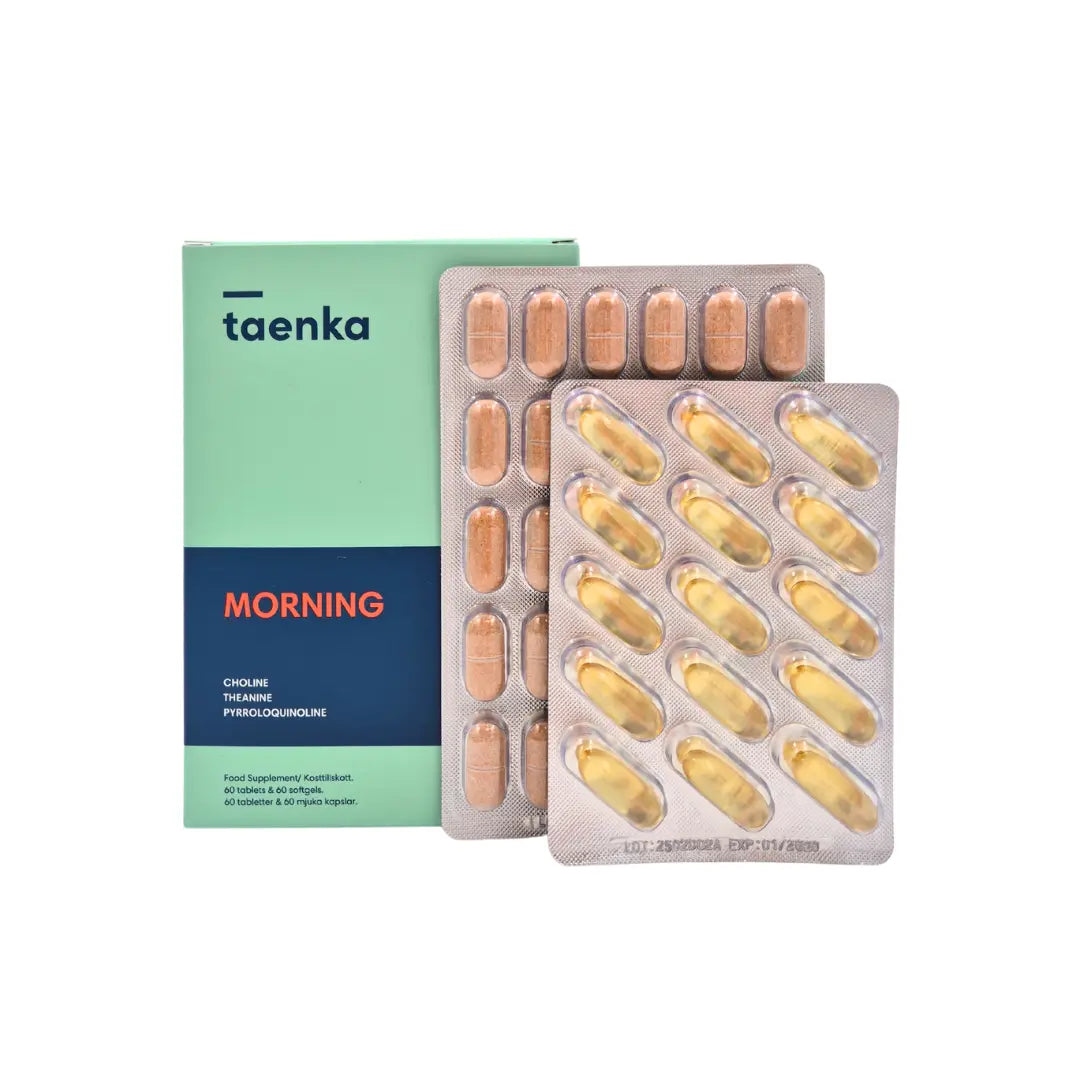
A Smarter Start: The Brain & Memory Supplement Backed by Science
Acomplete brain supplement designed to support memory, focus, and mental energy. It targets key aspects of cognitive function and brain health with ingredients like magnesium, choline, and PQQ. Ideal for anyone seeking sharper focus, better memory, or daily mental clarity.
Choline is essential for producing acetylcholine, a neurotransmitter involved in memory and learning. Supplementing with choline can enhance cognitive performance.
Choline is essential for producing acetylcholine, a neurotransmitter involved in memory and learning. Supplementing with choline can enhance cognitive performance.
Yes, magnesium plays a key role in nerve signaling and helps reduce stress and brain fog. It's especially helpful for focus, learning, and mental fatigue.
Yes, magnesium plays a key role in nerve signaling and helps reduce stress and brain fog. It's especially helpful for focus, learning, and mental fatigue.
Several vitamins support brain function, including B vitamins (B6, B9, B12), Vitamin D3, and Vitamin C. Taenka Morning includes a full-spectrum blend designed for memory, focus, and cognitive clarity.
Several vitamins support brain function, including B vitamins (B6, B9, B12), Vitamin D3, and Vitamin C. Taenka Morning includes a full-spectrum blend designed for memory, focus, and cognitive clarity.
Yes. L-Theanine promotes relaxation without drowsiness, making it a powerful ingredient for managing stress while improving focus and alertness.
Yes. L-Theanine promotes relaxation without drowsiness, making it a powerful ingredient for managing stress while improving focus and alertness.
Pyrroloquinoline quinone (PQQ) supports mitochondrial health and may improve mental energy, alertness, and long-term brain protection
Pyrroloquinoline quinone (PQQ) supports mitochondrial health and may improve mental energy, alertness, and long-term brain protection
Anyone experiencing mental fatigue, stress, poor focus, or memory lapses may benefit from brain supplements like Morning. They’re also popular among students and professionals.
Anyone experiencing mental fatigue, stress, poor focus, or memory lapses may benefit from brain supplements like Morning. They’re also popular among students and professionals.