

For years, 10,000 steps per day has been touted as the gold standard for physical health. But when it comes to brain health, recent research suggests that even fewer steps may still offer significant benefits—especially for memory, cognitive function, and protection against neurodegeneration.
How many steps do you actually need for brain health?
A growing body of evidence indicates that moderate daily activity, even below the 10,000-step threshold, can improve brain structure and function. A 2022 study published in JAMA Neurology examined over 78,000 participants from the UK Biobank and found that the optimal number of daily steps to reduce dementia risk was around 9,826 steps per day. But the same study also showed that taking as few as 3,826 steps daily was associated with slower cognitive decline (Del Pozo Cruz et al., 2022).
It's not just steps—intensity matters
It's not only the number of steps that counts; it's the intensity. The same study revealed that purposeful walking at a brisk pace, even for shorter durations (around 30 minutes daily), had a disproportionately large benefit for brain health.
Why walking helps your brain
Mechanistically, walking promotes better blood flow to the brain, supports neurogenesis (the creation of new neurons), and reduces systemic inflammation—key factors in maintaining cognitive performance and reducing dementia risk.
The takeaway: how many steps should you aim for?
While 10,000 steps a day is still a solid benchmark for overall fitness, brain-health benefits already begin to appear at around 3,800 steps and seem to peak around 9,800 steps daily, particularly when walking is brisk and consistent. If hitting that number feels daunting, even incremental increases can make a meaningful difference.
Practical tips for daily movement
- Aim for at least 4,000–6,000 steps per day, especially if you're mostly sedentary.
- Add 30 minutes of brisk walking a few times a week.
- Use reminders to take short walking breaks during the day.
Your brain, like your body, thrives on movement—so lace up those shoes and get stepping.
Movement and nutrition: a combined approach to brain health
Walking supports your brain through better circulation and reduced inflammation—but movement is only one part of the picture. The brain also depends on a steady supply of specific nutrients to maintain energy, focus, and long-term cognitive health. That's the thinking behind taenka Morning, a caffeine-free daily brain supplement developed by neuroscientist Dr. Nouchine Hadjikhani (Harvard/MGH). It combines 14 active ingredients—including PQQ, choline, L-theanine, and omega-3—each backed by published research, to support memory, focus, and mental clarity as part of a daily routine.
Pair a consistent walking habit with daily nutritional support, and you give your brain two evidence-based tools instead of one.
This article is for general information and is not medical advice. Walking and dietary supplements support general wellbeing and are not intended to diagnose, treat, cure, or prevent any disease. Consult a healthcare professional before making changes to your routine.
Related reading
- Train to Be Smarter — how physical exercise sharpens cognition
- The Health Benefits of PQQ — the science behind one of Morning's key ingredients
- The Health Benefits of Choline — how choline supports memory and learning
References
- Del Pozo Cruz, B., Ahmadi, M., Naismith, S. L., & Stamatakis, E. (2022). Association of Daily Step Count and Intensity With Incident Dementia in 78,430 Adults Living in the UK. JAMA Neurology, 79(10), 1059–1063.
- Power, R., Nolan, J., Prado-Cabrero, A., Roche, W., Coen, R., Power, T., & Mulcahy, R. (2021). Omega-3 fatty acid, carotenoid and vitamin E supplementation improves working memory in older adults: A randomised clinical trial. Clinical Nutrition, 41(2), 405-414.
- Wei, B.-Z., et al. (2023). The Relationship of Omega-3 Fatty Acids with Dementia and Cognitive Decline: Evidence from Prospective Cohort Studies of Supplementation, Dietary Intake, and Blood Markers. American Journal of Clinical Nutrition, 117(6), 1096-1109.
- Andriambelo, B., et al. (2023). New perspectives on randomized controlled trials with omega-3 fatty acid supplements and cognition: A scoping review. Ageing Research Reviews, 85, 101835.
- Tamakoshi, M., Suzuki, T., Nishihara, E., Nakamura, S., & Ikemoto, K. (2023). Pyrroloquinoline quinone disodium salt improves brain function in both younger and older adults. Food & Function, 14(5), 2496-2501.
- Ikemoto, K., Ishak, N., & Akagawa, M. (2024). The effects of pyrroloquinoline quinone disodium salt on brain function and physiological processes. The Journal of Medical Investigation, 71(1-2), 23-28.
- Shiojima, Y., et al. (2021). Effect of Dietary Pyrroloquinoline Quinone Disodium Salt on Cognitive Function in Healthy Volunteers: A Randomized, Double-Blind, Placebo-Controlled, Parallel-Group Study. Journal of the American College of Nutrition, 41(8), 796-809.
- Huang, F., Guan, F., Jia, X., Zhang, J., Su, C., Du, W., Ouyang, Y., Li, L., Bai, J., Zhang, X., Wei, Y., Zhang, B., He, Y., & Wang, H. (2024). Dietary Choline Intake Is Beneficial for Cognitive Function and Delays Cognitive Decline: A 22-Year Large-Scale Prospective Cohort Study from China Health and Nutrition Survey. Nutrients, 16(17), 2845.
- Kansakar, U., Trimarco, V., Mone, P., Varzideh, F., Lombardi, A., & Santulli, G. (2023). Choline supplements: An update. Frontiers in Endocrinology, 14, 1148166.
- Blusztajn, J., Slack, B., & Mellott, T. (2017). Neuroprotective Actions of Dietary Choline. Nutrients, 9(8), 815.
- Baba, Y., Inagaki, S., Nakagawa, S., Kaneko, T., Kobayashi, M., & Takihara, T. (2021). Effects of l-Theanine on Cognitive Function in Middle-Aged and Older Subjects: A Randomized Placebo-Controlled Study. Journal of Medicinal Food, 24(4), 333-341.
- Dassanayake, T., Wijesundara, D., Kahathuduwa, C., & Weerasinghe, V. (2022). Dose-response effect of L-theanine on psychomotor speed, sustained attention, and inhibitory control: a double-blind, placebo-controlled, crossover study. Nutritional Neuroscience, 26(12), 1138-1146.
- Dassanayake, T., Kahathuduwa, C., & Weerasinghe, V. (2020). L-theanine improves neurophysiological measures of attention in a dose-dependent manner: a double-blind, placebo-controlled, crossover study. Nutritional Neuroscience, 25(4), 698-708.
- Suh, S., Kim, H., Han, J., Bae, J., Oh, D., Han, J., & Kim, K. (2020). Efficacy of Vitamins on Cognitive Function of Non-Demented People: A Systematic Review and Meta-Analysis. Nutrients, 12(4), 1168.
- Wang, L., Zhou, C., Yu, H., Hao, L., Ju, M., Feng, W., Guo, Z., Sun, X., Fan, Q., & Xiao, R. (2022). Vitamin D, Folic Acid and Vitamin B12 Can Reverse Vitamin D Deficiency-Induced Learning and Memory Impairment by Altering 27-Hydroxycholesterol and S-Adenosylmethionine. Nutrients, 15(1), 132.
- Nguyen, H., Jo, W., Hoang, N., & Kim, M. (2022). Anti-inflammatory effects of B vitamins protect against tau hyperphosphorylation and cognitive impairment induced by 1,2 diacetyl benzene: An in vitro and in silico study. International Immunopharmacology, 108, 108736.
This article is based on peer-reviewed scientific research and clinical trials. Individual results may vary. Consult with a healthcare provider before starting any supplement regimen.
References
- Del Pozo Cruz, B., Ahmadi, M., Naismith, S. L., & Stamatakis, E. (2022). Association of Daily Step Count and Intensity With Incident Dementia in 78,430 Adults Living in the UK. JAMA Neurology, 79(10), 1059–1063.
- Power, R., Nolan, J., Prado-Cabrero, A., Roche, W., Coen, R., Power, T., & Mulcahy, R. (2021). Omega-3 fatty acid, carotenoid and vitamin E supplementation improves working memory in older adults: A randomised clinical trial. Clinical Nutrition, 41(2), 405-414.
- Wei, B.-Z., et al. (2023). The Relationship of Omega-3 Fatty Acids with Dementia and Cognitive Decline: Evidence from Prospective Cohort Studies of Supplementation, Dietary Intake, and Blood Markers. American Journal of Clinical Nutrition, 117(6), 1096-1109.
- Andriambelo, B., et al. (2023). New perspectives on randomized controlled trials with omega-3 fatty acid supplements and cognition: A scoping review. Ageing Research Reviews, 85, 101835.
- Tamakoshi, M., Suzuki, T., Nishihara, E., Nakamura, S., & Ikemoto, K. (2023). Pyrroloquinoline quinone disodium salt improves brain function in both younger and older adults. Food & Function, 14(5), 2496-2501.
- Ikemoto, K., Ishak, N., & Akagawa, M. (2024). The effects of pyrroloquinoline quinone disodium salt on brain function and physiological processes. The Journal of Medical Investigation, 71(1-2), 23-28.
- Shiojima, Y., et al. (2021). Effect of Dietary Pyrroloquinoline Quinone Disodium Salt on Cognitive Function in Healthy Volunteers: A Randomized, Double-Blind, Placebo-Controlled, Parallel-Group Study. Journal of the American College of Nutrition, 41(8), 796-809.
- Huang, F., Guan, F., Jia, X., Zhang, J., Su, C., Du, W., Ouyang, Y., Li, L., Bai, J., Zhang, X., Wei, Y., Zhang, B., He, Y., & Wang, H. (2024). Dietary Choline Intake Is Beneficial for Cognitive Function and Delays Cognitive Decline: A 22-Year Large-Scale Prospective Cohort Study from China Health and Nutrition Survey. Nutrients, 16(17), 2845.
- Kansakar, U., Trimarco, V., Mone, P., Varzideh, F., Lombardi, A., & Santulli, G. (2023). Choline supplements: An update. Frontiers in Endocrinology, 14, 1148166.
- Blusztajn, J., Slack, B., & Mellott, T. (2017). Neuroprotective Actions of Dietary Choline. Nutrients, 9(8), 815.
- Baba, Y., Inagaki, S., Nakagawa, S., Kaneko, T., Kobayashi, M., & Takihara, T. (2021). Effects of l-Theanine on Cognitive Function in Middle-Aged and Older Subjects: A Randomized Placebo-Controlled Study. Journal of Medicinal Food, 24(4), 333-341.
- Dassanayake, T., Wijesundara, D., Kahathuduwa, C., & Weerasinghe, V. (2022). Dose-response effect of L-theanine on psychomotor speed, sustained attention, and inhibitory control: a double-blind, placebo-controlled, crossover study. Nutritional Neuroscience, 26(12), 1138-1146.
- Dassanayake, T., Kahathuduwa, C., & Weerasinghe, V. (2020). L-theanine improves neurophysiological measures of attention in a dose-dependent manner: a double-blind, placebo-controlled, crossover study. Nutritional Neuroscience, 25(4), 698-708.
- Suh, S., Kim, H., Han, J., Bae, J., Oh, D., Han, J., & Kim, K. (2020). Efficacy of Vitamins on Cognitive Function of Non-Demented People: A Systematic Review and Meta-Analysis. Nutrients, 12(4), 1168.
- Wang, L., Zhou, C., Yu, H., Hao, L., Ju, M., Feng, W., Guo, Z., Sun, X., Fan, Q., & Xiao, R. (2022). Vitamin D, Folic Acid and Vitamin B12 Can Reverse Vitamin D Deficiency-Induced Learning and Memory Impairment by Altering 27-Hydroxycholesterol and S-Adenosylmethionine. Nutrients, 15(1), 132.
- Nguyen, H., Jo, W., Hoang, N., & Kim, M. (2022). Anti-inflammatory effects of B vitamins protect against tau hyperphosphorylation and cognitive impairment induced by 1,2 diacetyl benzene: An in vitro and in silico study. International Immunopharmacology, 108, 108736.
This article is based on peer-reviewed scientific research and clinical trials. Individual results may vary. Consult with a healthcare provider before starting any supplement regimen.

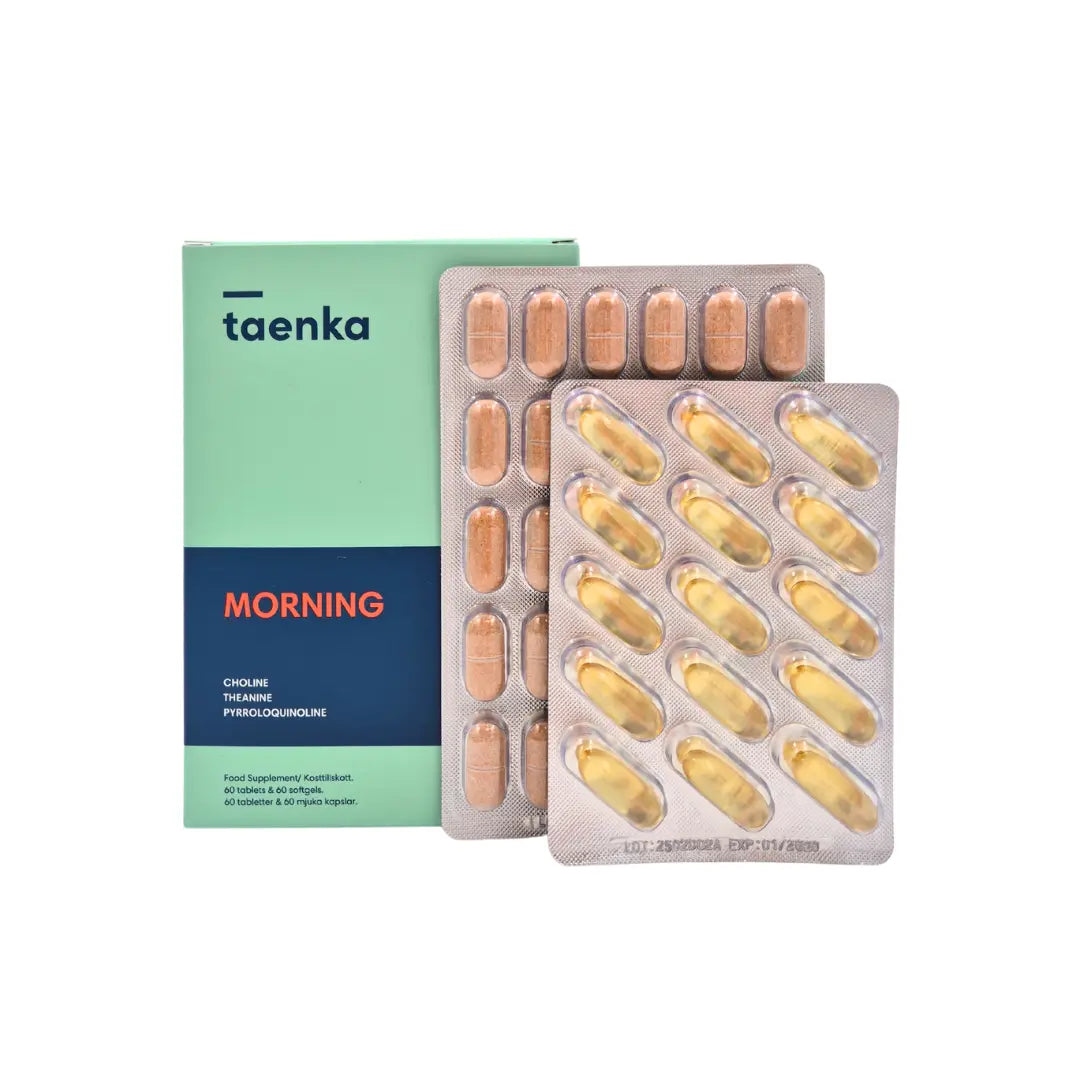
A Smarter Start: The Brain & Memory Supplement Backed by Science
Acomplete brain supplement designed to support memory, focus, and mental energy. It targets key aspects of cognitive function and brain health with ingredients like magnesium, choline, and PQQ. Ideal for anyone seeking sharper focus, better memory, or daily mental clarity.
Essential vitamins in our Brain health supplement
The best vitamins for the brain

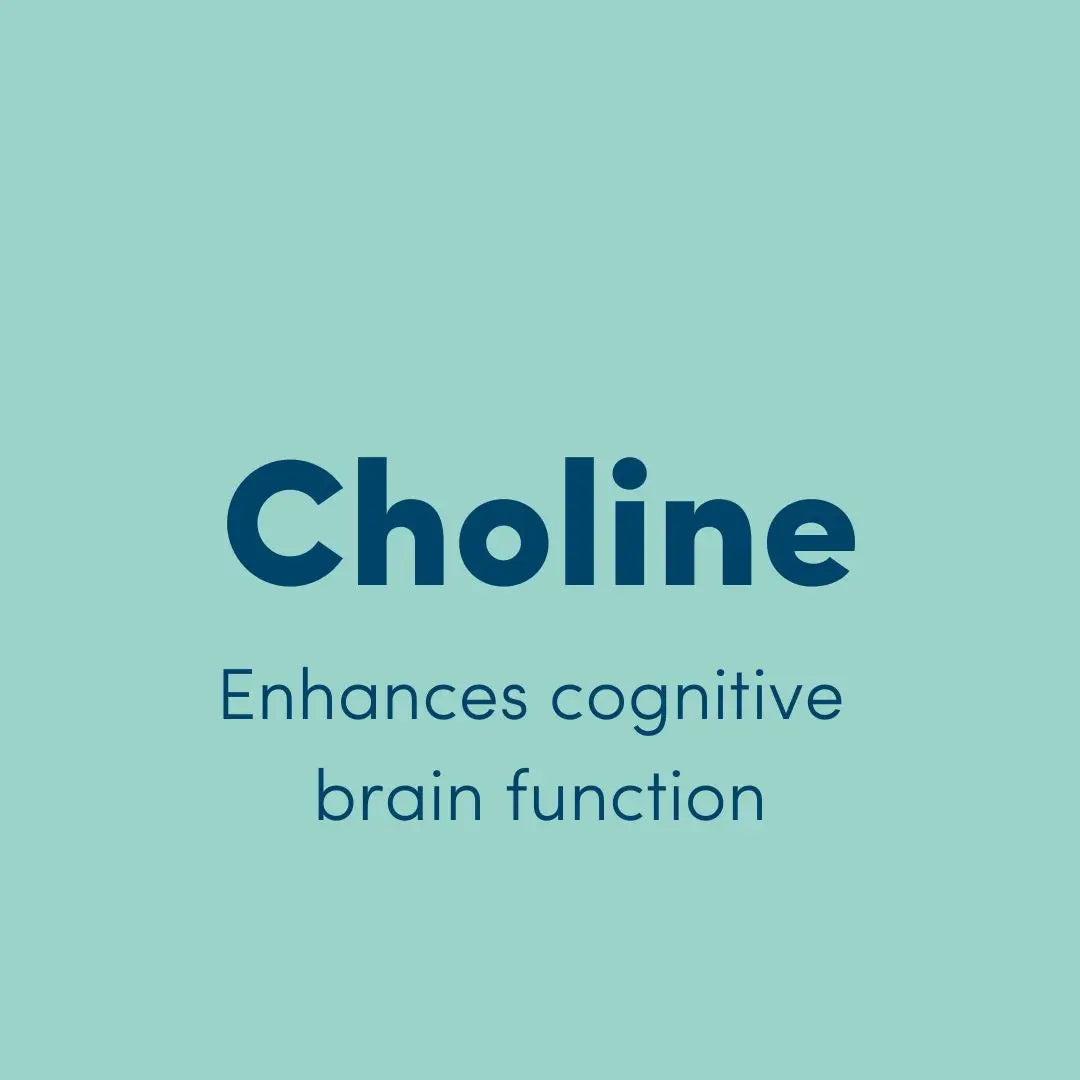




Choline is essential for producing acetylcholine, a neurotransmitter involved in memory and learning. Supplementing with choline can enhance cognitive performance.
Choline is essential for producing acetylcholine, a neurotransmitter involved in memory and learning. Supplementing with choline can enhance cognitive performance.
Yes, magnesium plays a key role in nerve signaling and helps reduce stress and brain fog. It's especially helpful for focus, learning, and mental fatigue.
Yes, magnesium plays a key role in nerve signaling and helps reduce stress and brain fog. It's especially helpful for focus, learning, and mental fatigue.
Several vitamins support brain function, including B vitamins (B6, B9, B12), Vitamin D3, and Vitamin C. Taenka Morning includes a full-spectrum blend designed for memory, focus, and cognitive clarity.
Several vitamins support brain function, including B vitamins (B6, B9, B12), Vitamin D3, and Vitamin C. Taenka Morning includes a full-spectrum blend designed for memory, focus, and cognitive clarity.
Yes. L-Theanine promotes relaxation without drowsiness, making it a powerful ingredient for managing stress while improving focus and alertness.
Yes. L-Theanine promotes relaxation without drowsiness, making it a powerful ingredient for managing stress while improving focus and alertness.
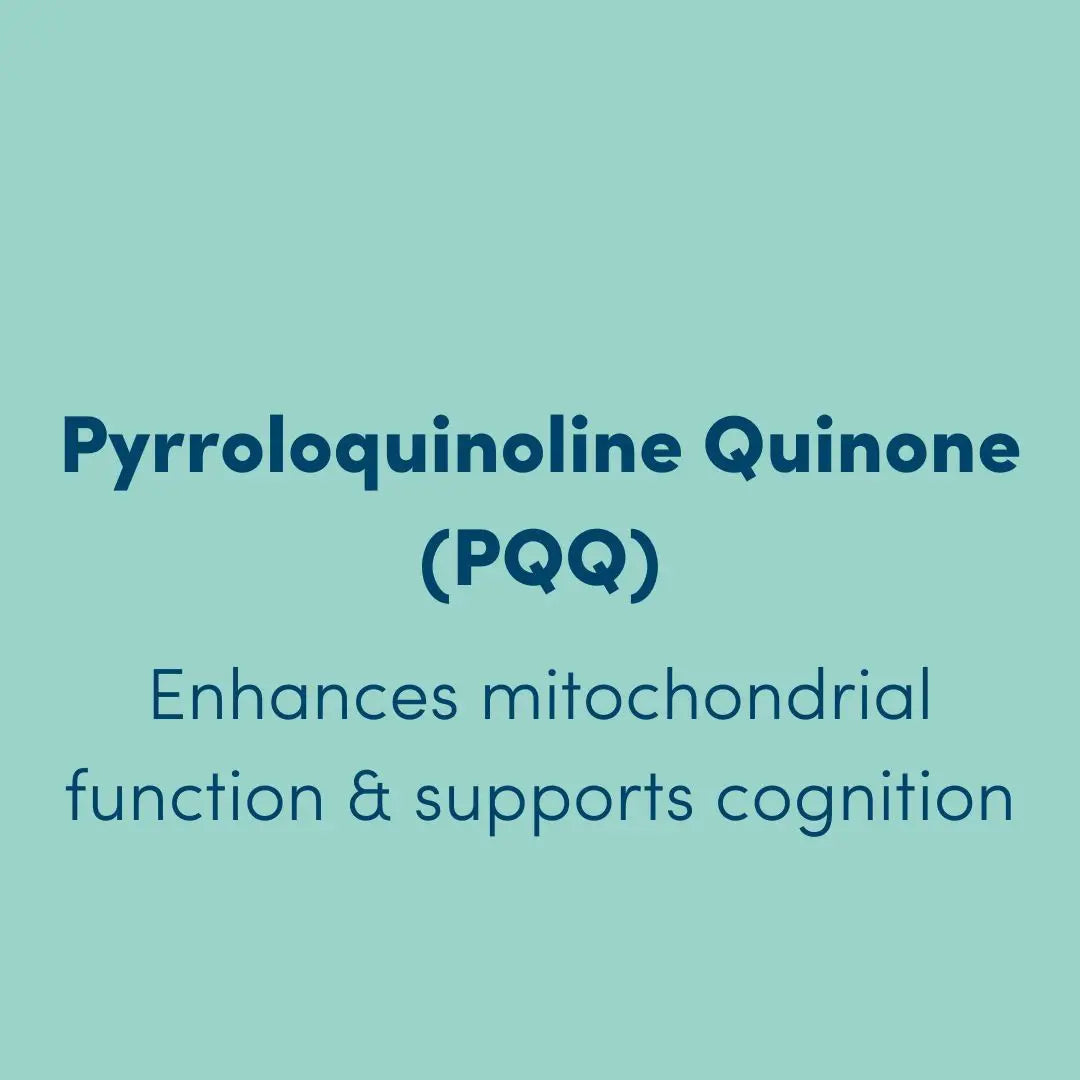
Pyrroloquinoline quinone (PQQ) supports mitochondrial health and may improve mental energy, alertness, and long-term brain protection
Pyrroloquinoline quinone (PQQ) supports mitochondrial health and may improve mental energy, alertness, and long-term brain protection
Anyone experiencing mental fatigue, stress, poor focus, or memory lapses may benefit from brain supplements like Morning. They’re also popular among students and professionals.
Anyone experiencing mental fatigue, stress, poor focus, or memory lapses may benefit from brain supplements like Morning. They’re also popular among students and professionals.